In Bruges: A Winter Drive
Bruge
 On 27 February 2013, the Renault Clio Sport left Southampton in the early hours, tracing a familiar path east toward Kent and the Eurotunnel. The goal was a winter escape to the medieval heart of Belgium, a journey that seamlessly blended the pure joy of driving with cinematic exploration and a deep dive into Flemish history. Emerging from the tunnel into the biting French air of Calais, the Clio headed directly toward the Belgian border, its high-revving 2.0-litre engine cutting through the freezing winter atmosphere as the flat, sprawling landscapes of Flanders opened up ahead.
The History of Bruges: The Rise, Fall, and Rebirth
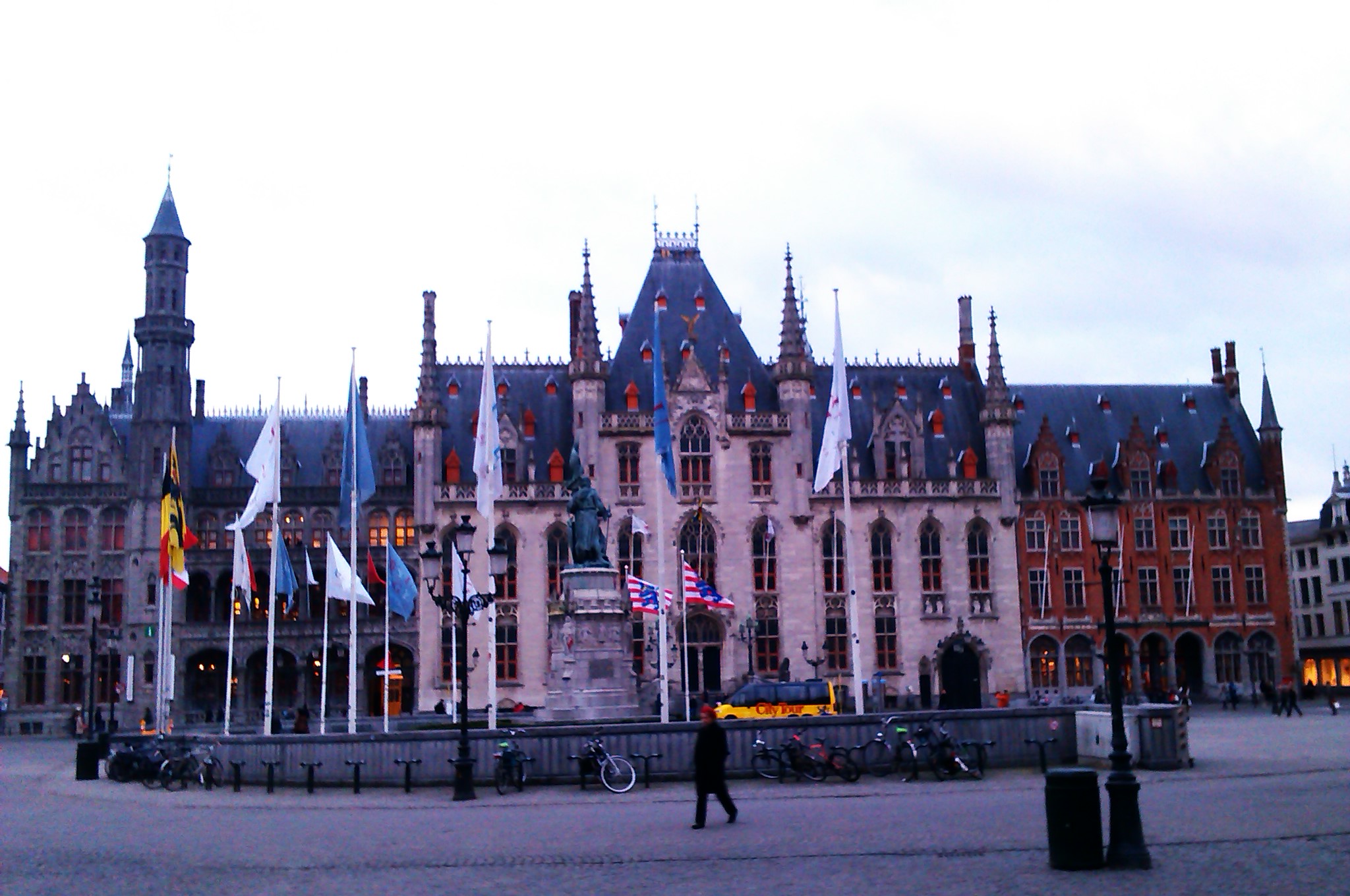
 To arrive in Bruges is to step into a city whose very architecture tells the story of medieval Europe's shifting fortunes. Established as a settlement over a millennium ago, Bruges owes its historical prominence to its strategic connection to the North Sea via the Zwin tidal inlet. By the 12th to 14th centuries, it had evolved into the leading commercial powerhouse and financial capital of Northern Europe. It became a bustling international trading hub where English wool, Flemish cloth, and luxury goods from the Mediterranean were exchanged, heavily backed by the establishment of its pioneering money market, the Beurse (which gave its name to the modern stock exchange)..
However, nature and geopolitics drastically altered the city’s path. In the 15th century, the Zwin channel began to rapidly silt up, cutting off the city's deepwater access to the sea. The international merchants packed up and moved their business to nearby Antwerp, plunging Bruges into centuries of economic stagnation. Ironically, this long period of poverty became the city's saving grace; because there was no money for modern industrial development, its breathtaking medieval core was left completely untouched. In the 19th century, British and French tourists "rediscovered" Bruges, sparking a gothic revival movement that preserved the city as a living museum and cemented its status as one of Europe's earliest and finest tourism destinations..
Arriving in a Snowy Fairytale
 As evening descended, the Clio finally arrived in this beautifully preserved sanctuary. The temperature had plummeted, and the sky began to gently release a light dusting of winter snow. The timing was magical; the soft flakes began to settle over the cobblestones and the jagged, stepped-gables of the medieval buildings, instantly transforming the historic city into a quiet, real-world snow globe.The primary mission for the evening was to explore the city through a cinematic lens, tracking down the iconic locations made famous by the 2008 dark comedy film In Bruges. Despite the freezing air, walking the atmospheric streets felt like stepping directly onto the movie set. The itinerary successfully covered all the classic landmarks:
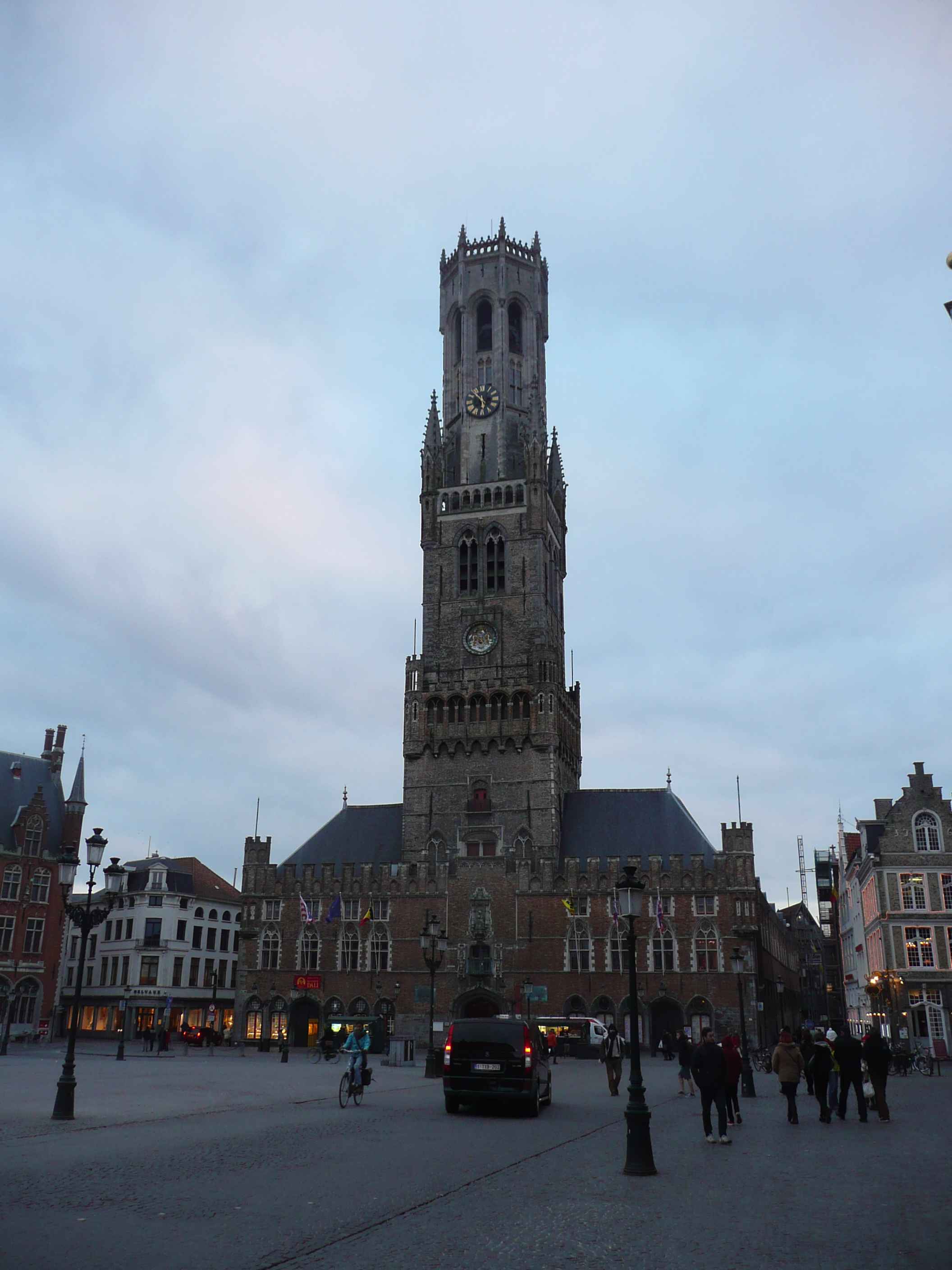
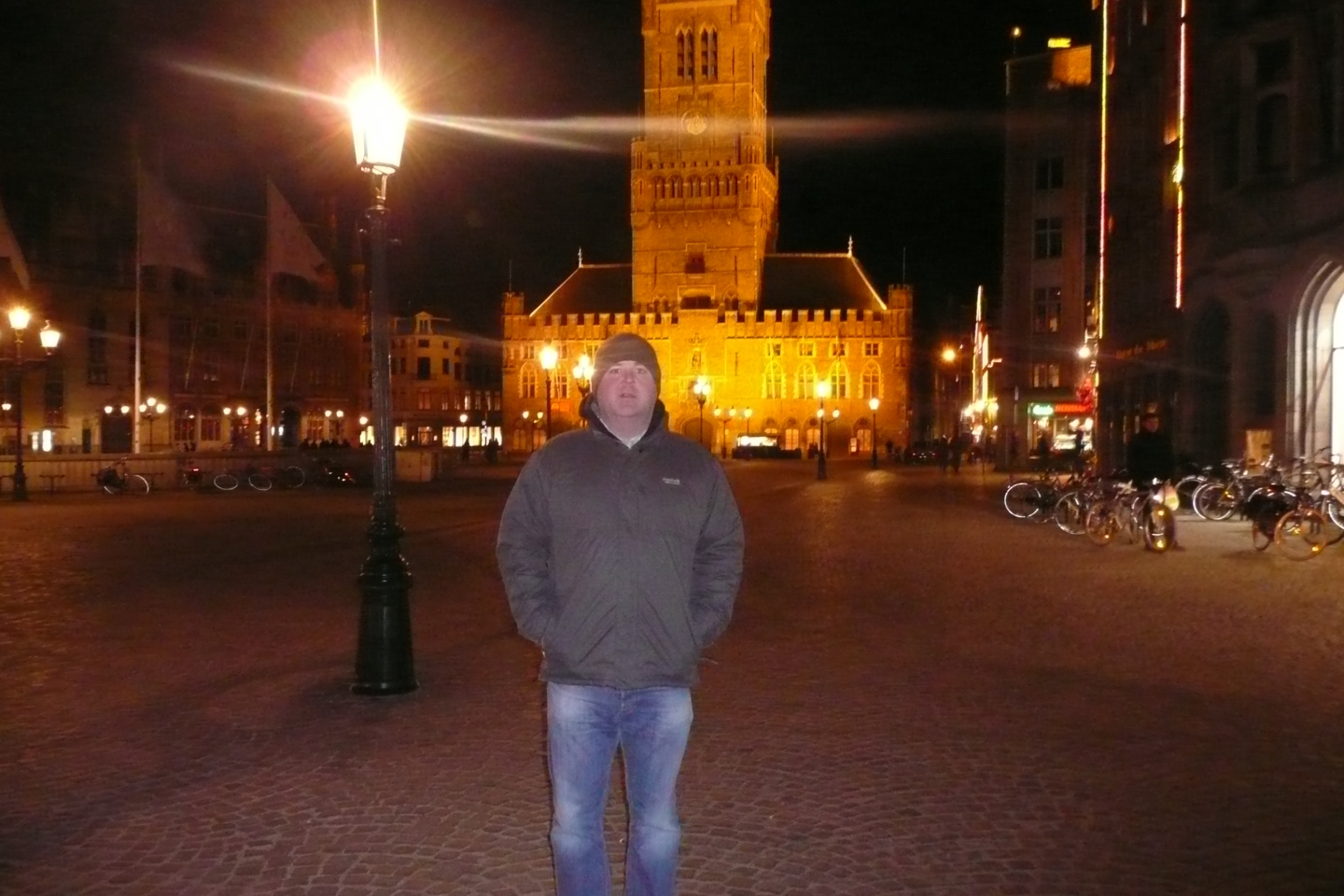
- The Belfry of Bruges: The towering, 83-metre medieval bell tower that dominates the Market Square (Grote Markt), looking incredibly imposing and stark under the winter night sky.
- The Canals and Jan van Eyckplein: Walking along the frozen, glassy waters of the canals that earned the city its moniker, "The Venice of the North," and stopping by the quiet square where the film's characters reflected against the historic backdrops.
- The Basilica of the Holy Blood & Relais Bourgondisch Cruyce: Passing the ornate, dark facade of the basilica and the stunning, timber-fronted luxury boutique hotel nestled right on the water's edge where much of the movie's tension unfolded
A Memorable Winter Return
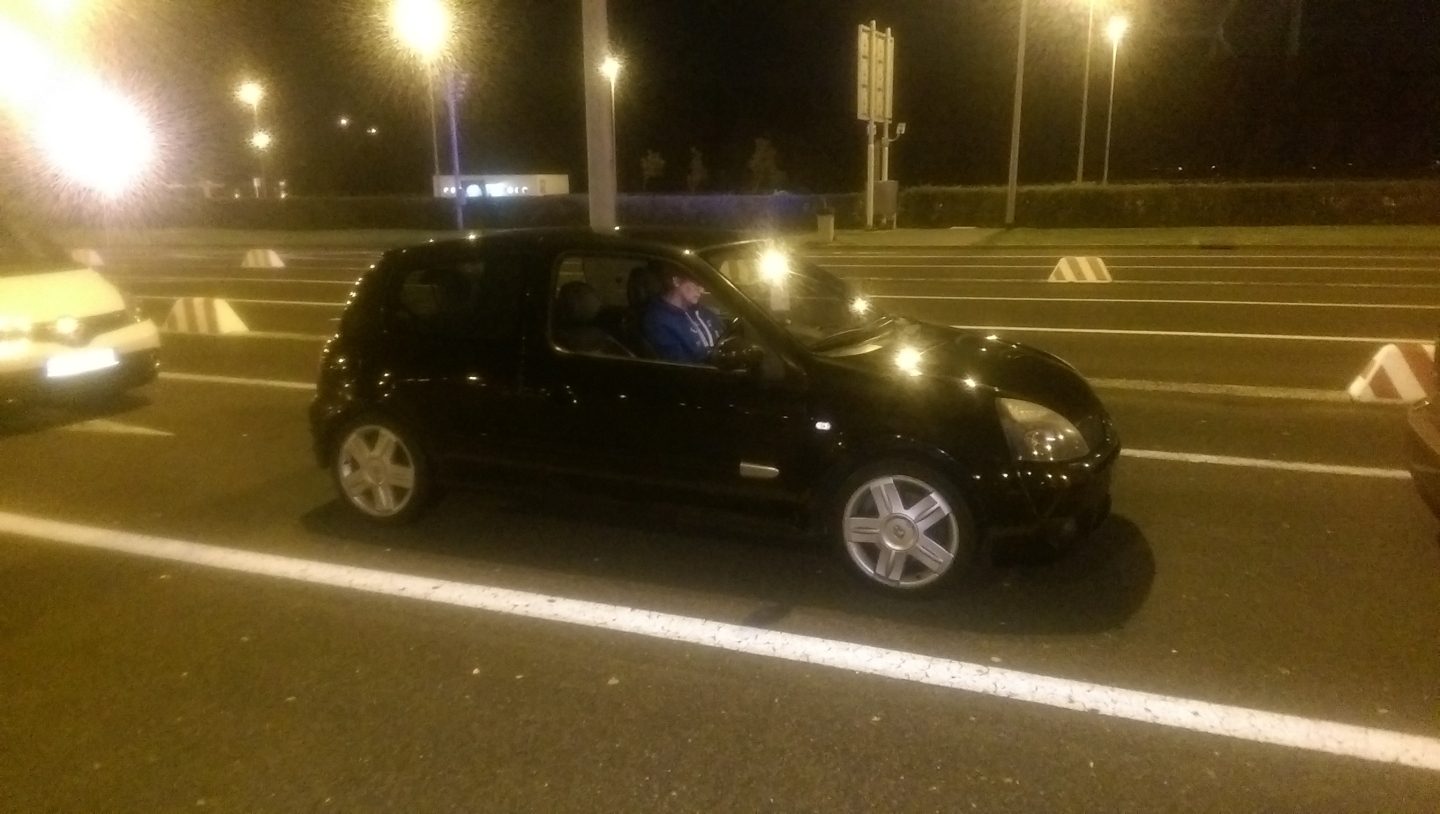 Experiencing Bruges under a blanket of fresh snow, completely free from the usual sea of summer tourists, made the long drive from the south of England entirely worth it. The city's preserved medieval architecture, illuminated by soft streetlights reflecting off the lightly falling snow, provided a deeply atmospheric backdrop to an unforgettable road trip. Sheltered from the freezing cold, the Clio sat parked nearby in the Belgian frost—a reliable, warm sanctuary ready for the long journey back across the Channel once the cinematic pilgrimage was complete.